About HiQuake
About HiQuake
Contribute
[1] If you have an additional case to add to HiQuake, would like to provide data for a listed case, or would like to suggest a correction, please contact us using the online form below or by emailing g.r.foulger [at] durham.ac.uk
[2] We include all instances where a reasonable scientific case has been presented for considering anthropogenic induction including where scientific opinion is divided. Additions and changes to HiQuake are at the discretion of the HiQuake team.
The team
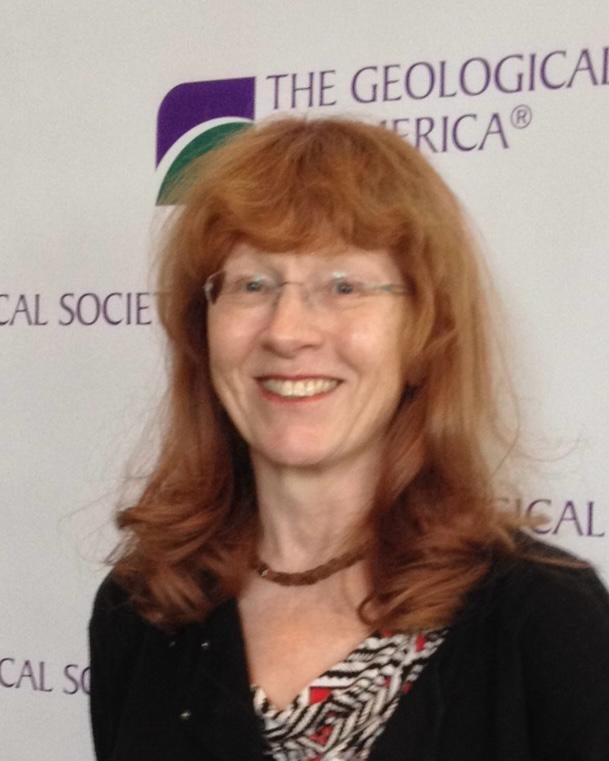
[1] Professor Gillian R. Foulger (she/her)
Gillian Foulger is a Professor Emerita of Geophysics at Durham University, UK, and Director of consulting companies registered in the UK and California. She has 45 years of experience in academic and industrial research, has published over 200 peer-reviewed papers, and frequently gives public lectures. Her work has included developing passive seismic methods for geothermal prospecting and studying volcanology and tectonics using cross-disciplinary geophysics and geology. Her field areas include Iceland, Turkey, Western USA and Indonesia. She currently leads the HiQuake team which maintains and analyses a database of global human-induced earthquakes.
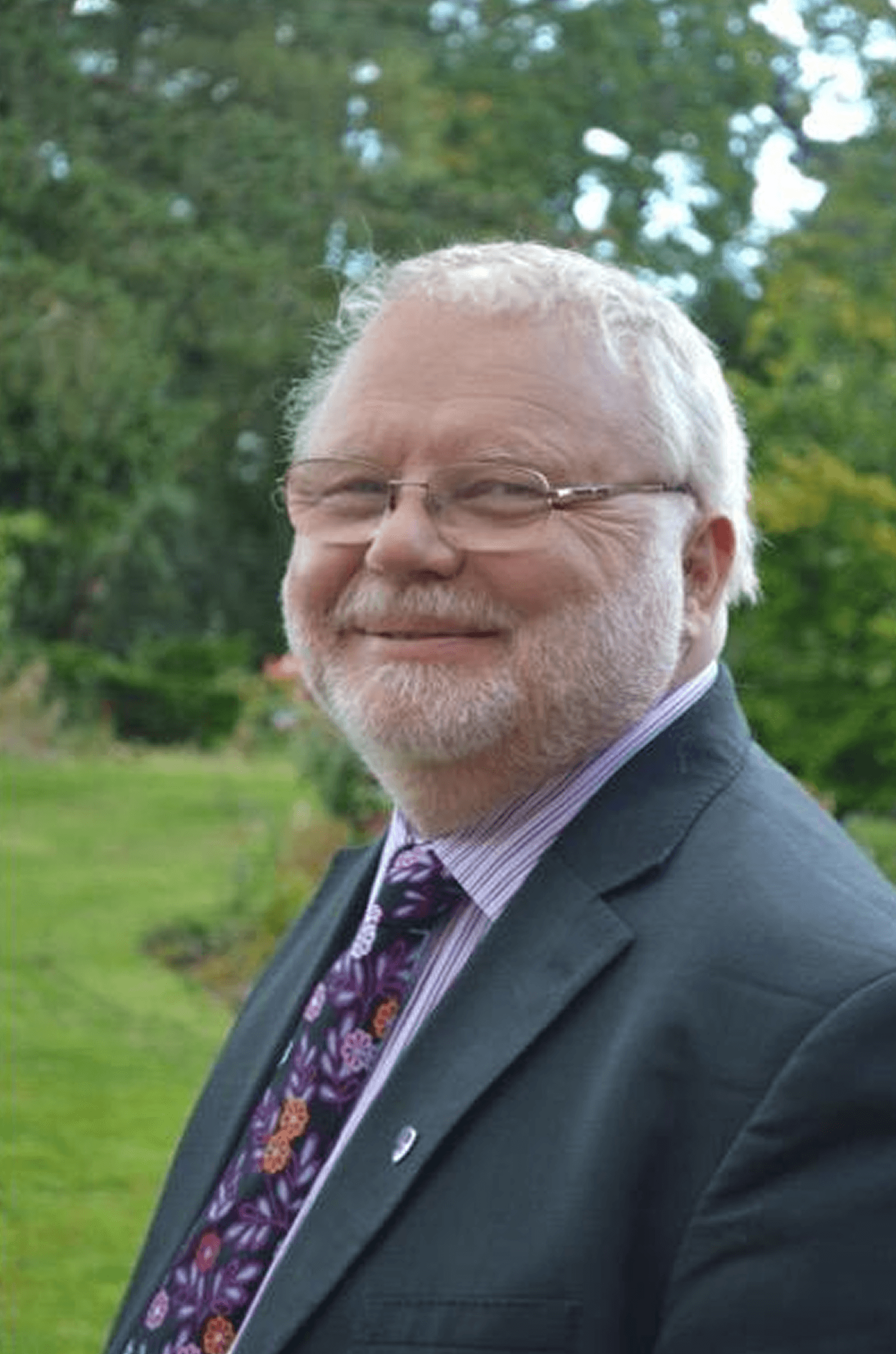
[2] Professor Jon G. Gluyas (he/him)
Jon Gluyas is a geologist with 35 years of industrial and academic experience. Following 28 years in the petroleum industry, during which time he founded two oil companies, he joined Durham University (UK) in 2009 as Chair of Geoenergy & Carbon Capture and Storage. His research interests cover a wide range of geoenergy topics linked by a common theme of water/rock interaction and the movement of fluids in the subsurface. The research addresses primary energy production (geothermal and petroleum), energy storage and fluid disposal. Jon is currently the President of the Geological Society of London.
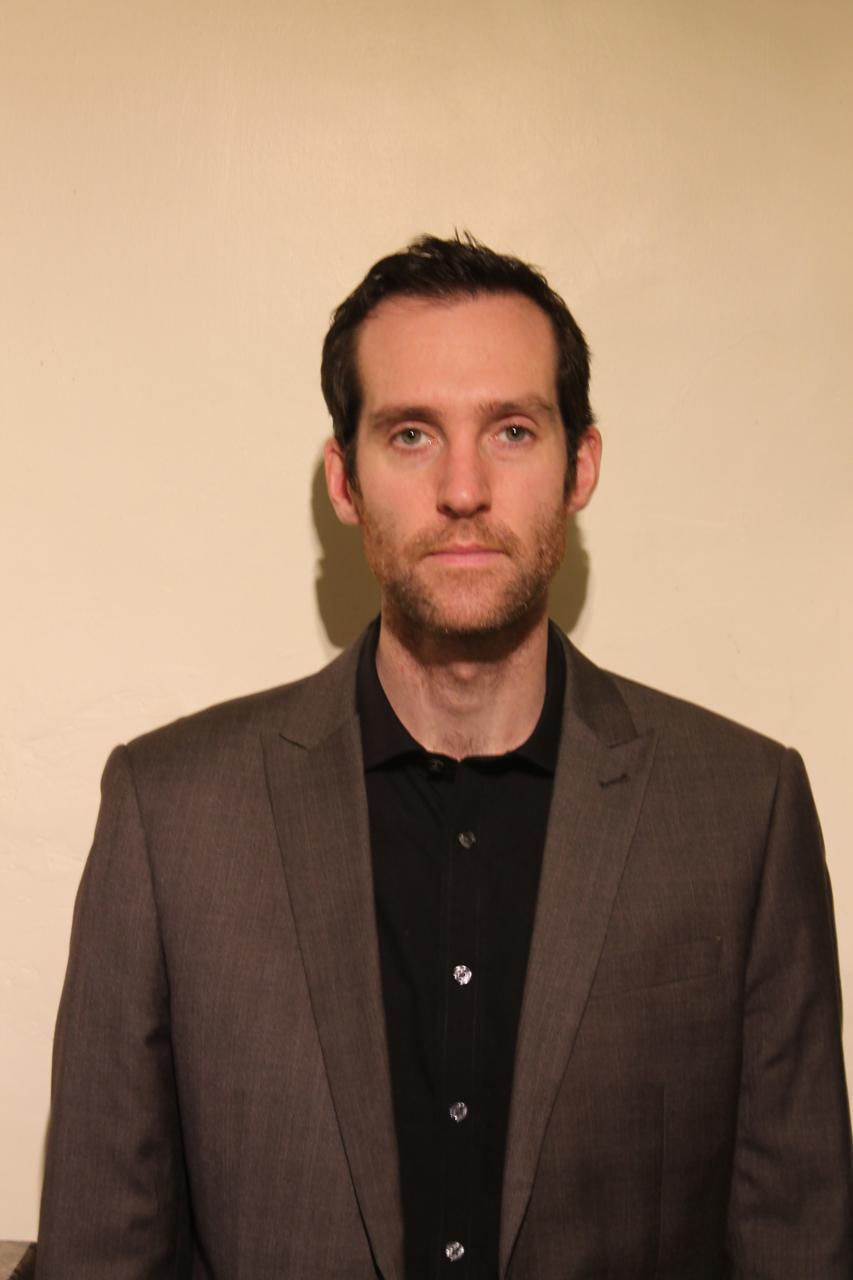
[3] Dr. Max Wilkinson (he/him)
Max Wilkinson is a consultant researcher in the HiQuake team. He has a Ph.D. in Geological Sciences and 14 years’ research experience in geoscience, specifically structural geology, geodetics, earthquake geology and tectonic geomorphology. Relevant application domains of this research have included outcrop fracture characterisation of reservoir analogues and monitoring of near-field coseisimc and postseismic deformation applied to critical infrastructure.
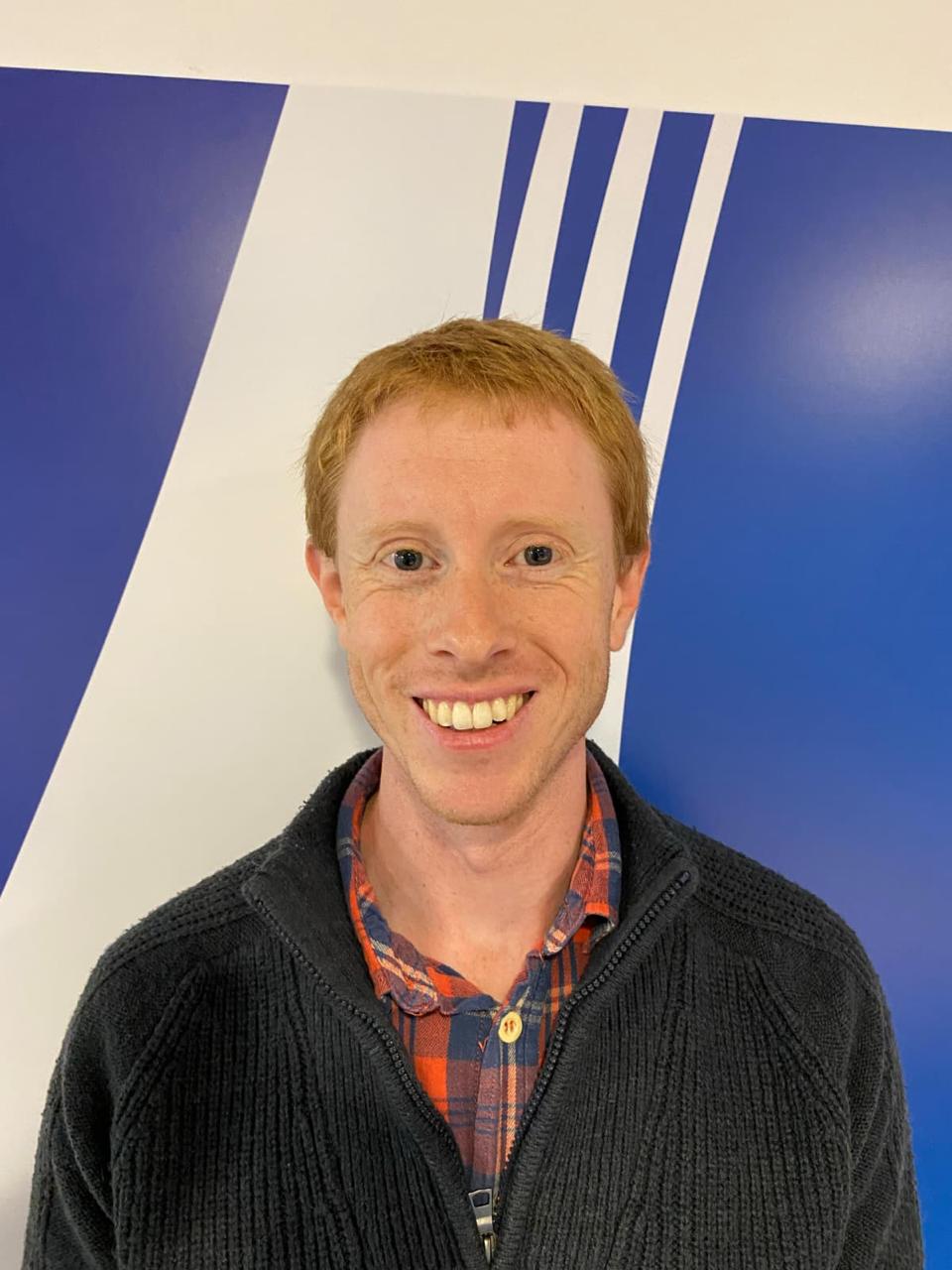
[4] Dr. Miles P. Wilson (he/him)
Miles Wilson is a consultant researcher in the HiQuake team. He holds a Ph.D. in Geological Sciences (Durham University, UK) and has carried out environmental geoscience research, including on induced seismicity, since 2014. He also has experience working in the conservation and water sectors, specialising in GIS, remote sensing and modelling.
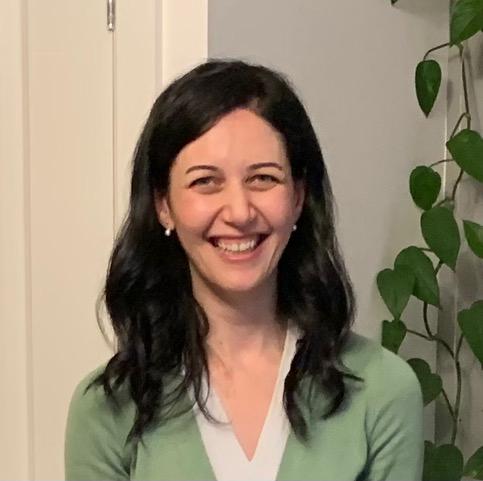
[5] Dr. Najwa Mhana (she/her)
Najwa Mhana is a consultant researcher in the HiQuake team and a lecturer at Damascus University, Syria. She holds a Ph.D. in Applied Geophysics (Durham University, UK). Her work has included applying time-dependent seismic tomography to monitoring geothermal reservoir depletion. Study areas include the Coso Geothermal area and Long Valley Caldera, California. Since 2019 Najwa has carried out research on induced seismicity.
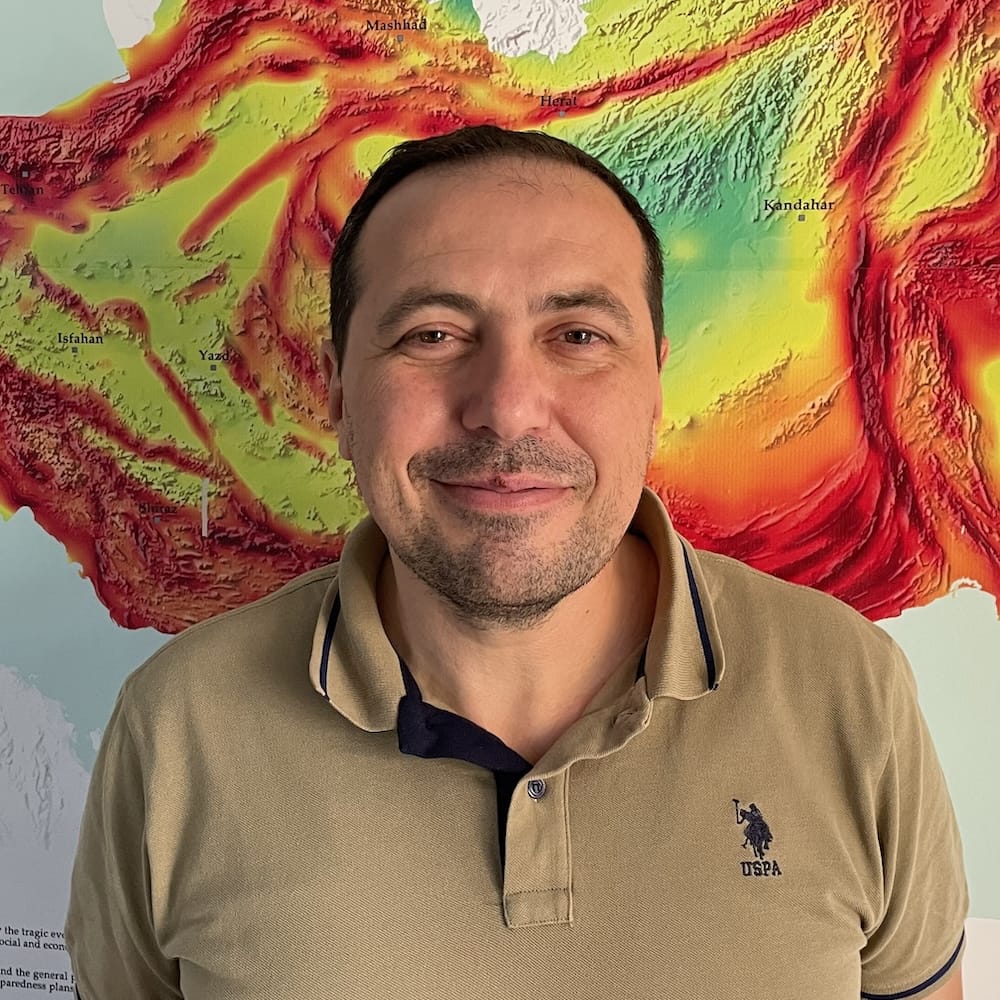
[6] Dr. Timur Tezel (he/him)
Timur Tezel is a consultant researcher in the HiQuake team and an Associate Professor at Sakarya University, Turkey. He has 20 years seismological experience in academic and government institutions and has used receiver functions and surface waves to study crustal structure, as well as developing fast magnitude calculations for early warning systems.
Citation and Disclaimer
Recommended Citations
Foulger, G. R., Wilson, M., Gluyas, J., Julian, B. R., & Davies, R. (2018). Global review of human-induced earthquakes. Earth-Science Reviews, 178, 438-514.
Wilson, M. P., Foulger, G. R., Gluyas, J. G., Davies, R. J., & Julian, B. R. (2017). HiQuake: The human‐induced earthquake database. Seismological Research Letters, 88(6), 1560-1565.
Disclaimer and
Privacy Policy
[1] Collection of the information and data provided on this site up to 31st March 2020 was financially supported by contracts awarded from Nederlandse Aardolie Maatschappij BV (NAM) to Durham University (UK) and Geoenergy Durham Limited. The information, data, opinions, interpretations, conclusions and recommendations do not necessarily reflect the views of NAM.
[2] We aim to ensure that all the information and data provided on this site is accurate. We draw from external sources, but make no guarantees, expressed or implied, as to the accuracy of the information contained herein. By using the information and data the user agrees to release and indemnify the managers of this website and the researchers of this project from any liability for injury, loss, damage, or financial expenses resulting therefrom, even if caused by the negligence of the researchers and website managers. In particular the website managers and researchers take no responsibility for injury, loss, damage, or financial expenses as a result of users using the presented information and data to predict the occurrence, location, timing, magnitude and resulting consequences of earthquakes, whether they be of anthropogenic origin or not.
[3] The resource links and frames presented on this site are for user convenience and this does not mean the funders, researchers or website managers endorse or approve them. There is no guarantee that these links and frames will work permanently and the presence of the links does not guarantee website availability.
[4] It is the responsibility of the user to make their own decisions about the accuracy, currency, reliability and correctness of information and data found on this website and in resources linked from this website.
[5] This website (www.inducedearthquakes.org) does not store or capture personal information of the users. It does log the IP addresses, which are automatically recognised by the web server. We do not use cookies for collecting user information from the site and we will not collect any information about users except that required for system administration of the web server.
[6] This disclaimer and privacy policy only covers www.inducedearthquakes.org. Links within this website to other websites are not covered by this disclaimer and privacy policy.
©2025 inducedearthquakes.org. All rights reserved.
Funding and Acknowledgements
[1] From 1st April 2020 HiQuake has been funded by Foulger Consulting Ltd.
The HiQuake team gratefully acknowledge the initial funding provided by Nederlandse Aardolie Maatschappij BV (NAM) to Durham University (UK) and Geoenergy Durham Ltd. Without their support this project would not have been possible.
[2] The HiQuake team also thank:
Colin Lynam for information on induced seismicity in Australia.
Emre Özgür for information on induced seismicity in Turkey.
Enrico Caffagni for information on induced seismicity in the Cooper Basin, Australia.
Grzegorz Lizurek for information on mining-induced seismicity in Poland.
Hobin Lim for information on Pohang, South Korea.
Marco Caciagli, Pierluigi Vecchia, Salvatore Barba, and Silvia Pondrelli for information and discussion on the Caviaga and Emilia-Romagna earthquakes, Italy.
Philipp Uta for information on the Rotenburg earthquake.
Ryan Schultz for information on fracking-induced seismicity in Canada.
Thomas Bloch for information on induced seismicity at St. Gallen, Switzerland.
Valery Nikulin for information on induced seismicity in Lithuania.
Hiquake
Sitemap
Contact us
Email: g.r.foulger [at] durham.ac.uk
Department of Earth Sciences,
Arthur Holmes Building,Science Site,
South Road, Durham, UK DH1 3LE
©
2025 Copyright inducedearthquakes.org
All Rights Reserved.
Developed by Sidefixers